
Summer School 2026
Speakers
List of Speakers
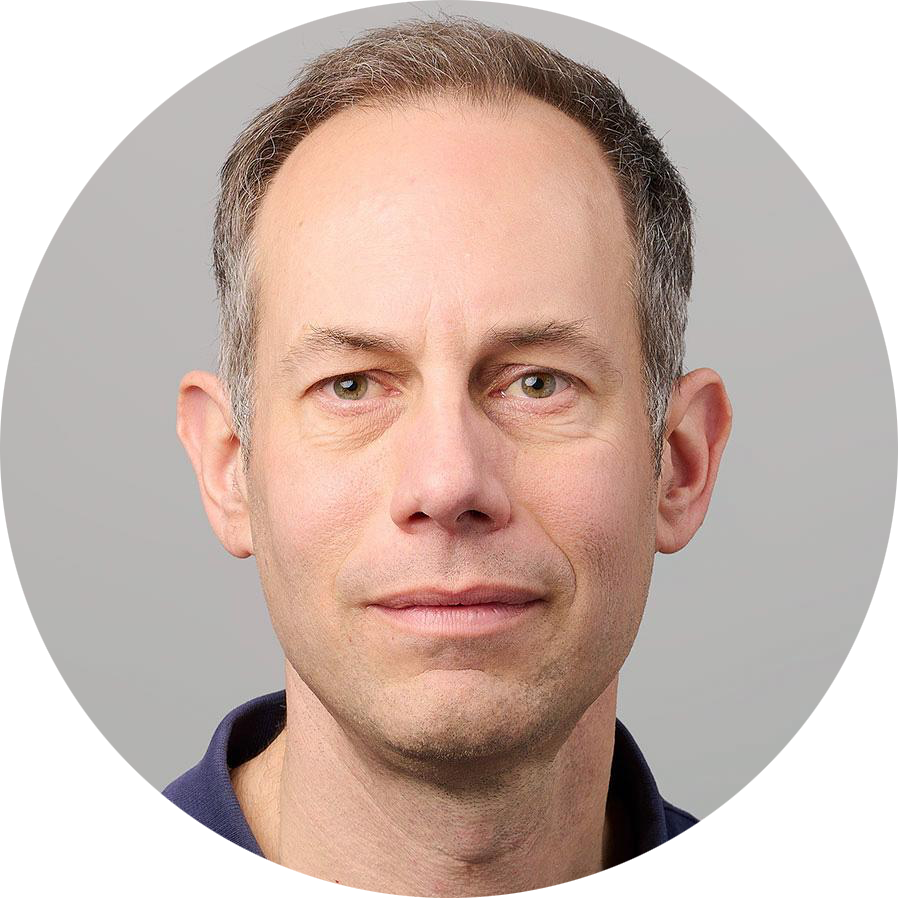
Prof. Renato Renner
ETH Zurich, Switzerland
Prof. Abhas K. Mitra
Bhabha Atomic Research Centre, India
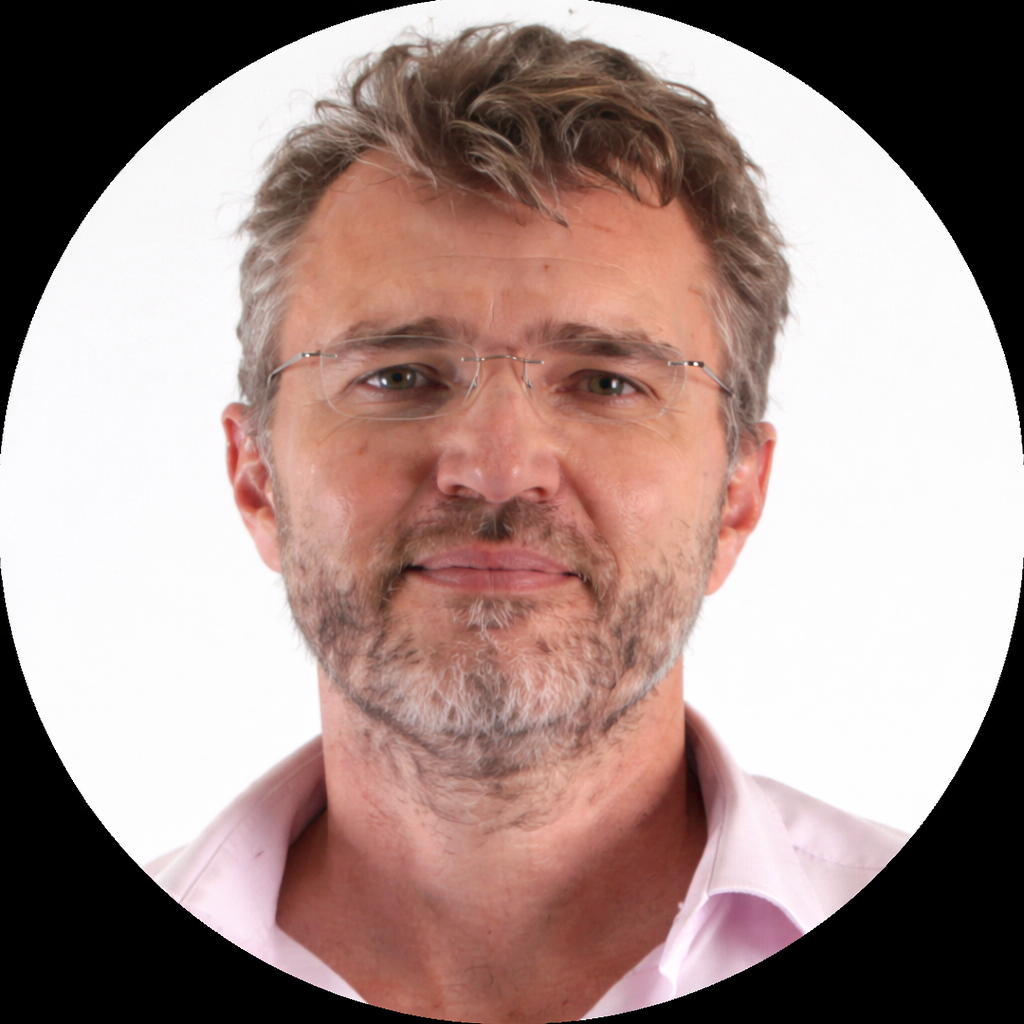
Prof. Vlatko Vedral
University of Oxford, UK
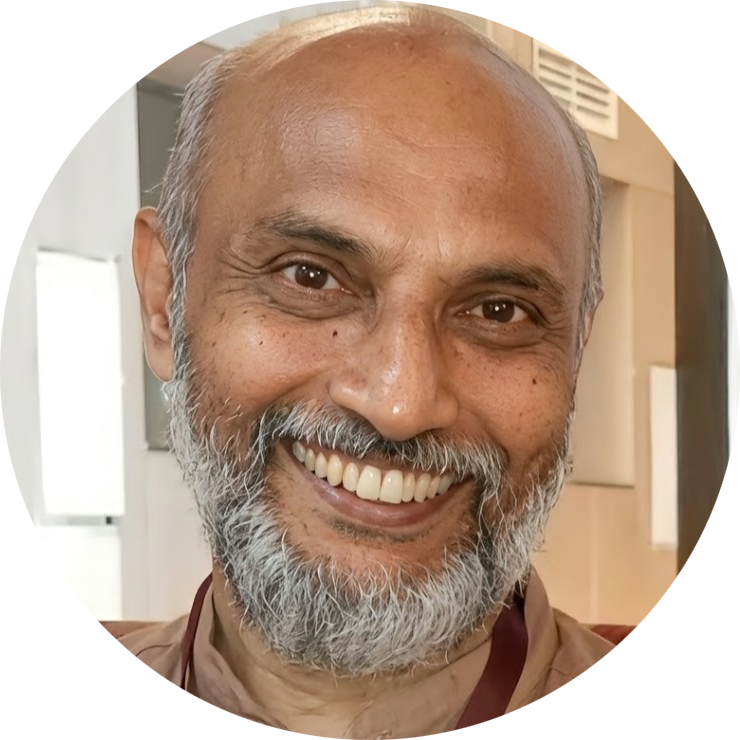
Prof. C. S. Aravinda
TIFR Bengaluru, India
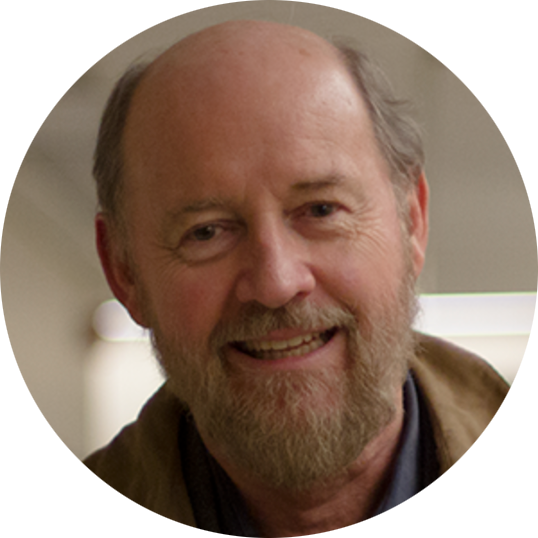
Prof. James R. Brown
University of Toronto, Canada
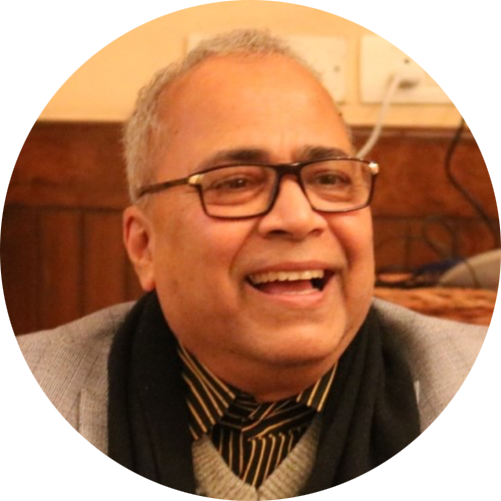
Prof. A. K. Mukhopadhyay
AIIMS New Delhi, India
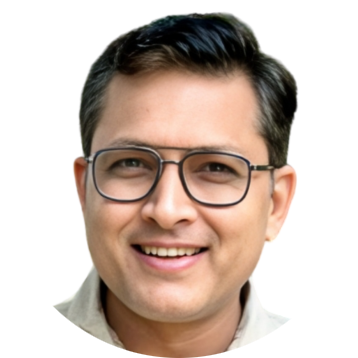
Prof. Ramesh K. Mishra
University of Hyderabad, India
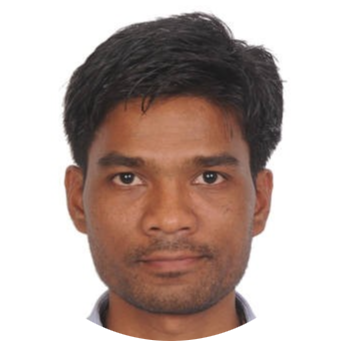
Dr. Jaynarayan T. Tudu
IIT Tirupati, India
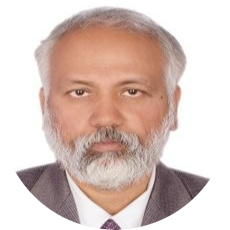
Prof. Sandeep Kumar
IIT (BHU) Varanasi, India
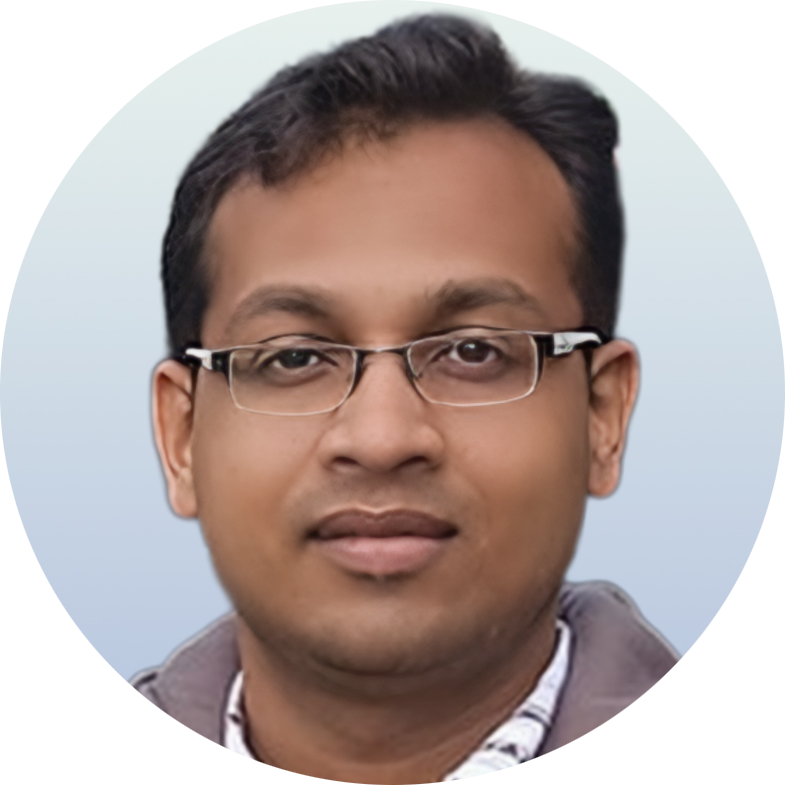
Dr. Dheeraj K. Dube
IIT Mandi, India
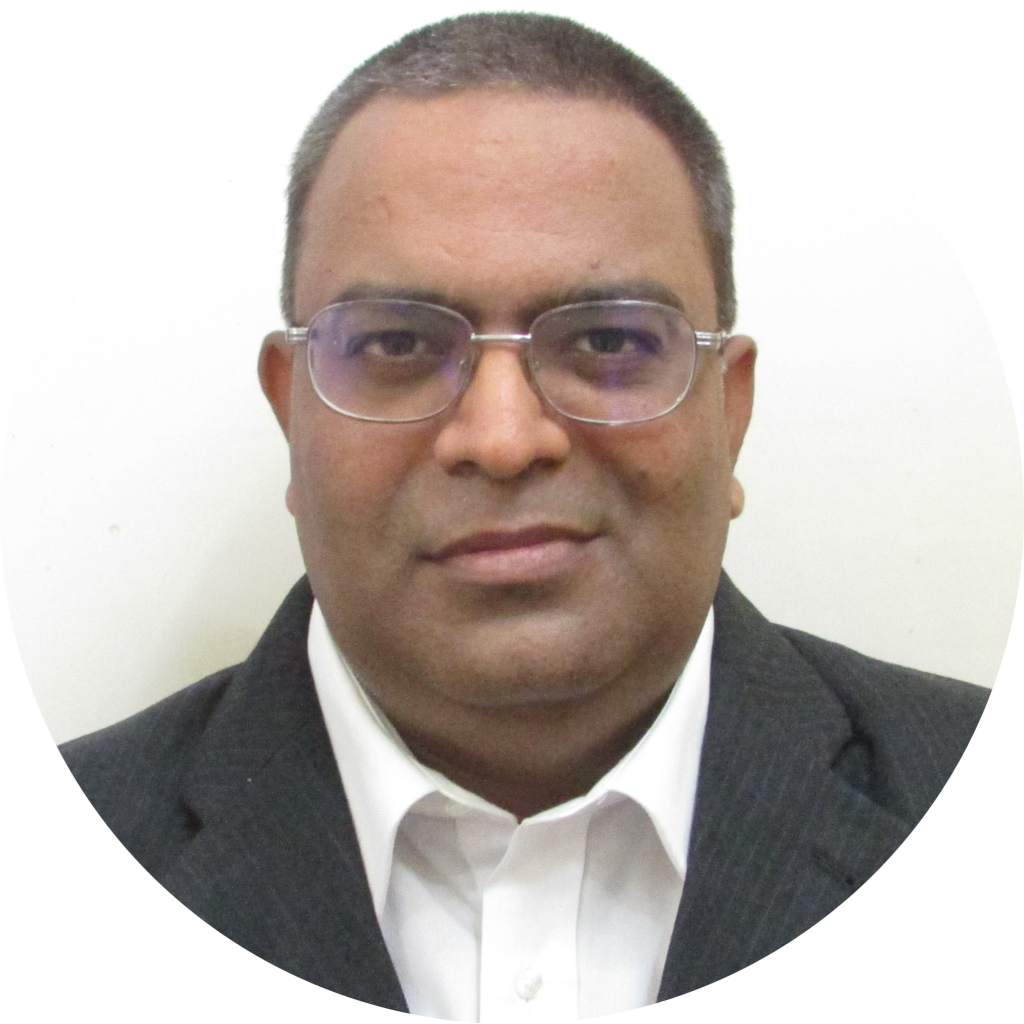
Prof. Ramagopal Uppaluri
IIT Guwahati, India
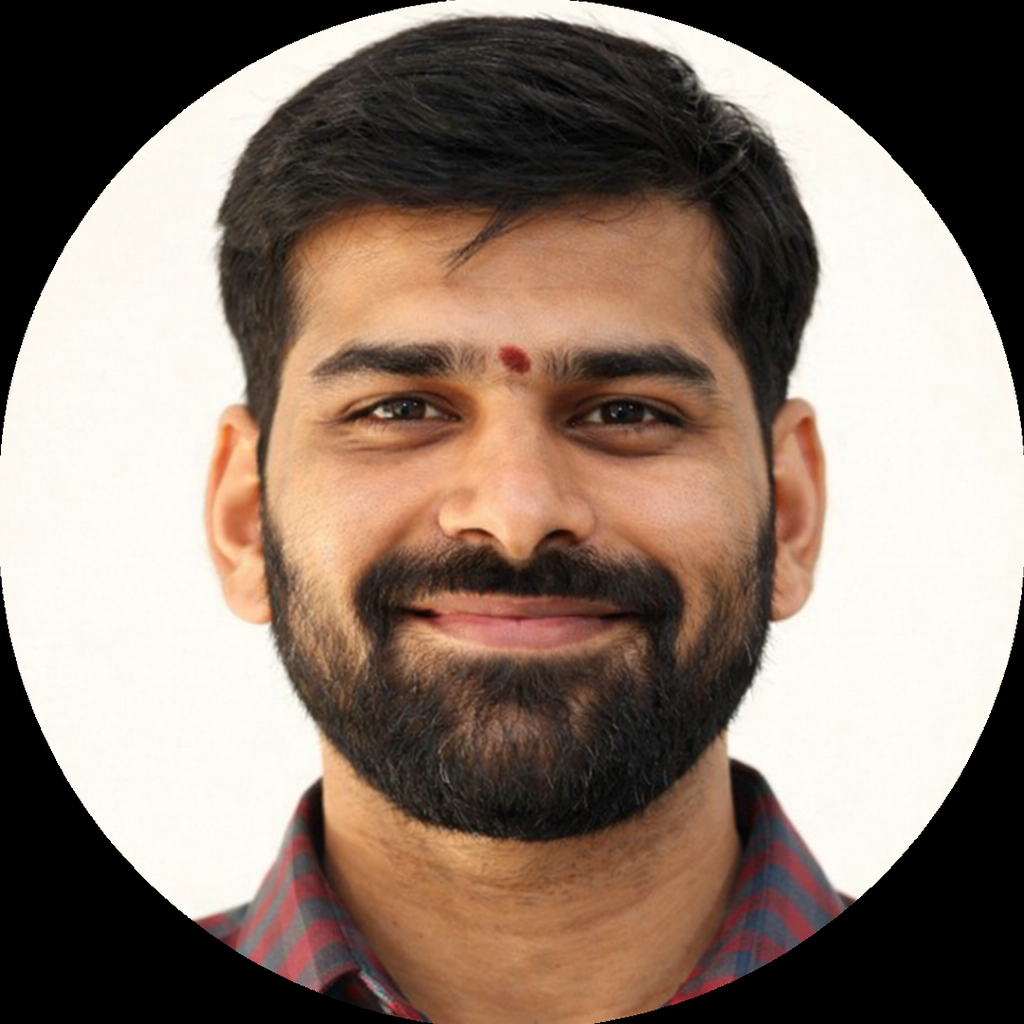
Dr. Sai Phani K. Vangala
IISER Bhopal, India
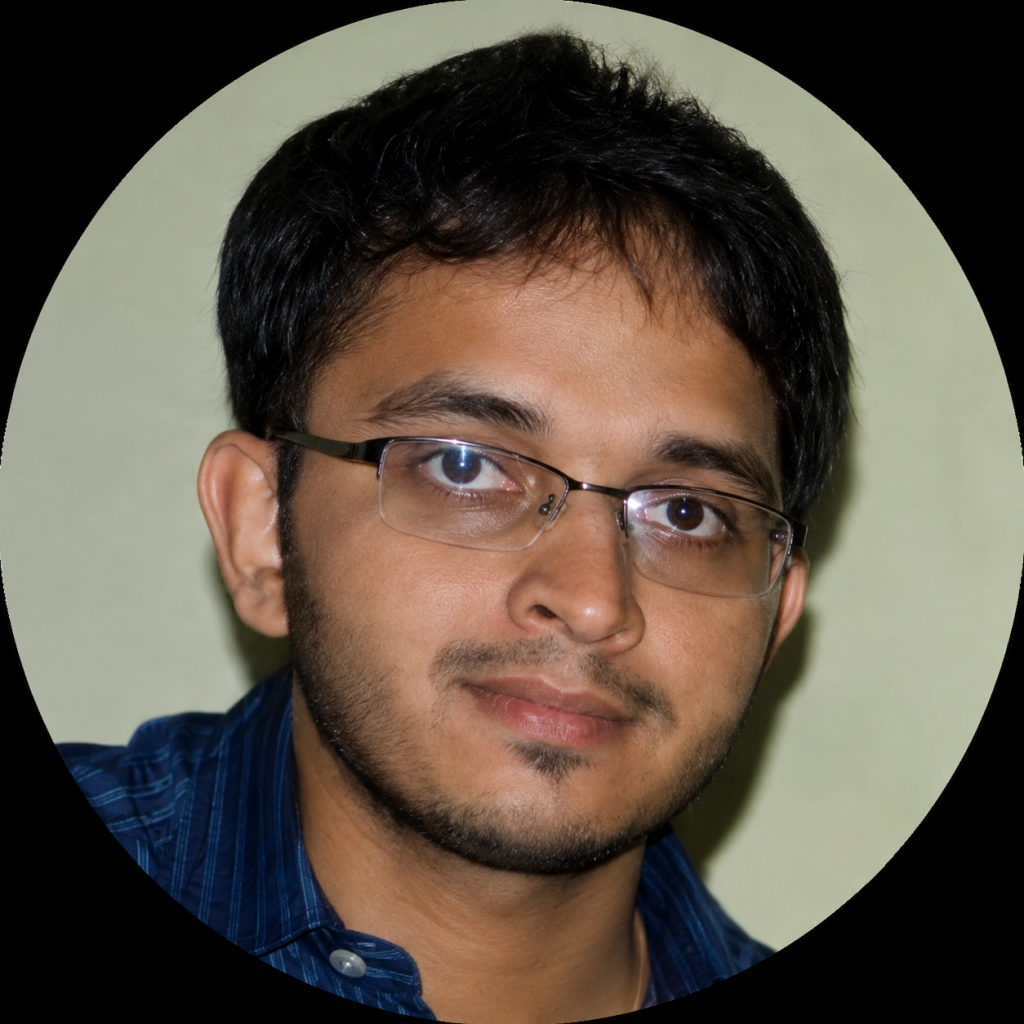
Dr. Manas C. Mishra
KIIT University, India
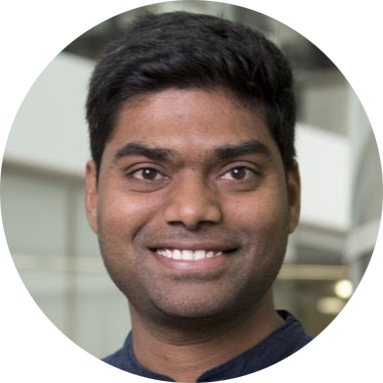
Dr. Srikanth Chandragiri
Helmholtz Munich, Germany
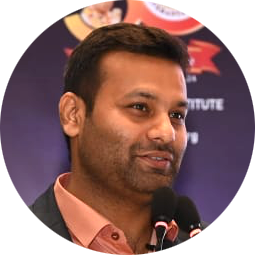
Dr. Roshan Tiwari
Alumnus, IISER Kolkata, India

Shri Sushant Sharma
Alumnus, IIT Guwahati, India
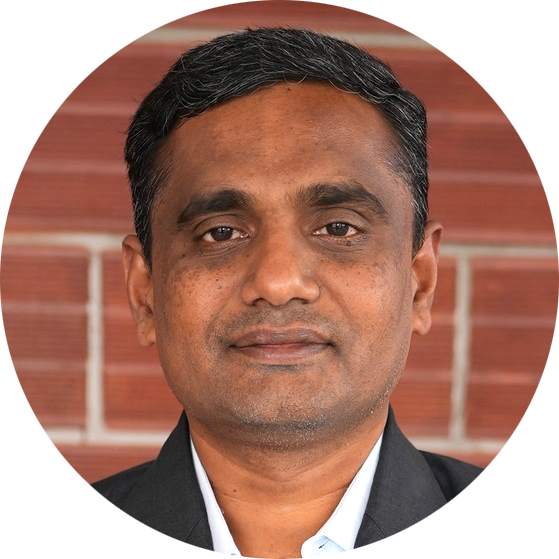
Shri Prabhakar Ballapalle
Western Digital, Bangalore, India

Shri Vasudeva Rao
Alumnus, IIT Kanpur, India

Shri Varun Agarwal
Alumnus, IIT Kanpur, India
and many more…
Prof. Renato Renner
ETH Zurich, Switzerland
Prof. Renato Renner is a leading theoretical physicist and Full Professor at the Department of Physics at ETH Zürich, where he heads the Institute for Theoretical Physics and the Quantum Information Theory group. His research lies at the interface of quantum information theory, the foundations of quantum mechanics, and quantum thermodynamics, with a particular focus on understanding how the laws of physics govern the processing and transmission of information. Prof. Renner is widely recognized for his foundational contributions to quantum cryptography, especially the rigorous security framework of quantum key distribution, developed in his doctoral work at ETH Zürich. His work has helped shape modern approaches to information-theoretic security and has deepened our conceptual understanding of quantum theory.
A central theme of his research explores how thought experiments can probe the limits of quantum mechanics, including its applicability to observers themselves. His work on paradoxes such as the Frauchiger–Renner scenario has sparked important discussions about consistency, measurement, and the role of observers in quantum theory. After completing his PhD, he held a research position at the University of Cambridge before joining ETH Zürich, where he has been a professor since 2007 and full professor since 2015. Prof. Renner’s work continues to bridge conceptual foundations and practical applications, inspiring new directions in both fundamental physics and emerging quantum technologies.
Prof. Vlatko Vedral
University of Oxford, UK
Prof. Vlatko Vedral is Professor of Quantum Information Science in the Department of Physics at the University of Oxford and a Principal Investigator at the Centre for Quantum Technologies, National University of Singapore. He has held this professorship since 2009 and is best known for his contributions to quantum mechanics, quantum information theory, and quantum entanglement. An active and influential researcher, Prof. Vedral has authored over 500 published and widely cited papers, covering a broad spectrum of quantum physics, including quantum computing, quantum cryptography, and quantum thermodynamics. His work has played a central role in shaping our understanding of entanglement as a fundamental resource and the role of information in physical theory. His research also engages deeply with foundational questions through thought experiments, exploring the nature of reality, the role of observers, and the quantum-classical boundary—making his work especially relevant to discussions at the intersection of physics and philosophy.
In recognition of his outstanding contributions, he was awarded the Royal Society Wolfson Research Merit Award in 2007. Prof. Vedral is also a celebrated science communicator and author. His acclaimed book Decoding Reality: The Universe as Quantum Information presents information as a unifying concept across disciplines. His latest book, Portals to a New Reality: Five Experiments to Unlock the Future of Physics (Basic Books and Allan Lane), was published on 25 October 2025, offering fresh insights into the future of fundamental physics through thought-provoking experimental ideas. Prof. Vedral’s work continues to inspire new perspectives on information, reality, and the fundamental principles of the universe, making him a leading voice in both cutting-edge research and public understanding of quantum theory.
Prof. James R. Brown
University of Toronto, Canada
Prof. James R. Brown is Emeritus Professor at the University of Toronto (St. George campus), Canada, and a distinguished philosopher of science known for his influential work in the philosophy of science, philosophy of mathematics, and the study of thought experiments. He completed his BA and MA at the University of Guelph and earned his PhD from the University of Western Ontario. Over his career, he has also been affiliated with the Institute for the History and Philosophy of Science and Technology, contributing to interdisciplinary research at the intersection of science, philosophy, and society. Prof. Brown’s research explores mathematics, the nature of scientific reasoning, and the social dimensions of science, with a particular focus on how thought experiments can generate genuine knowledge about the physical world. His work has been central to debates on whether such experiments provide a priori insights into nature, especially in physics and mathematics.
He is the author and editor of numerous influential works, including The Rational and the Social, The Laboratory of the Mind, Smoke and Mirrors, Philosophy of Mathematics, and Who Rules in Science?, among others. His book The Laboratory of the Mind is widely regarded as a foundational text on the epistemology of thought experiments. In recognition of his scholarly contributions, Prof. Brown has been elected Fellow of the Royal Society of Canada (2007), Fellow of the Leopoldina Nationale Akademie der Wissenschaften, Germany (2004), and Fellow of the Académie Internationale de Philosophie des Sciences, Belgium (2010). Prof. Brown’s work continues to shape contemporary discussions on scientific understanding, mathematical knowledge, and the role of imagination in science, making him a leading figure in the philosophical exploration of thought experiments.
Prof. Abhas K. Mitra
Bhabha Atomic Research Centre, India
Prof. Abhas K. Mitra is a distinguished Indian astrophysicist and former Head of the Theoretical Physics Section at the Bhabha Atomic Research Centre (BARC), Mumbai. He is currently serving as an Honorary Adjunct Professor at the Homi Bhabha National Institute and is an alumnus of the University of Mumbai. He is widely recognized for his contributions to astrophysics, general relativity, and the foundations of gravitational theory, with a particular emphasis on compact objects and black holes. Dr. Mitra began his scientific career as an observational gamma-ray astronomer in Kashmir, where he initiated pioneering research on high-energy astrophysical phenomena. He subsequently played a key role in advancing the study of cosmic gamma-ray bursts in India. In later years, his research transitioned toward theoretical astrophysics, focusing on general relativistic gravitational collapse and cosmology. His work critically examines fundamental issues related to event horizons, singularities, and the physical interpretation of black holes. Notably, his ideas on black holes attracted international attention, including mention in a press release associated with Harvard-based research groups.
Prof. Mitra is also associated with a long-standing cosmological puzzle known as the “Mitra Paradox,” reflecting his deep engagement with unresolved questions in gravitational physics. His research often explores conceptual and foundational aspects of relativity, contributing to ongoing debates about the limits and interpretation of gravitational theory. In addition to his academic contributions, Prof. Mitra is an engaging science communicator. He has delivered multiple TEDx talks on theoretical physics and numerous public lectures at premier institutions such as IIT Bombay, IIT Kharagpur, and VJTI, inspiring a broad audience with his insights into the nature of the universe.
Prof. C. S. Aravinda
TIFR Bengaluru, India
Prof. C. S. Aravinda is an Indian mathematician and a faculty member at the TIFR Centre for Applicable Mathematics, Bengaluru, a leading research institute under the Tata Institute of Fundamental Research. His work lies at the intersection of geometry, topology, and dynamical systems, with a particular focus on the structure and behavior of manifolds. He completed his M.Sc. in Mathematics from Central College, Bangalore University in 1985. He went on to pursue his Ph.D. in Mathematics at the Tata Institute of Fundamental Research, University of Bombay, which he completed in 1995. Dr. Aravinda began his academic career as a Research Associate at the Indian Statistical Institute (1995–1997). He then joined the Chennai Mathematical Institute, where he served as a Fellow (1997–2002) and later as a Reader (2002–2007). In 2007, he moved to TIFR’s Centre for Applicable Mathematics as a Reader (2007–2010), and has been serving as an Associate Professor since 2011. He has also held notable international visiting positions, including as a Visiting Mathematician at the International Centre for Theoretical Physics (1991–1992) and as a Visiting Associate Professor at the State University of New York at Binghamton (2000–2002).
His research interests broadly span Riemannian geometry, ergodic theory, and topology. He is particularly interested in the study of manifolds of nonpositive curvature, exploring their geometric, dynamical, and topological properties. His work contributes to a deeper understanding of the interplay between geometry and dynamics in mathematical structures. Beyond research, he has played an important role in the mathematical community in India. He has been actively involved in academic activities such as organizing instructional schools and workshops, including programs in algebraic topology, and contributing to editorial and scholarly initiatives. He has served on editorial boards of mathematical publications and is associated with Bhāvanā, a mathematics magazine, where he has also served as Chief Editor.
Prof. A. K. Mukhopadhyay
AIIMS New Delhi, India
Prof. A. K. Mukhopadhyay, MBBS from University of Calcutta (1977), MD in Pathology from All India Institute of Medical Sciences (1981) joined as Faculty of AIIMS in 1985. Since 2006, he has been the Head of the Department of Laboratory Medicine at AIIMS, New Delhi.
Besides being a reputed laboratory physician and popular teacher in Laboratory Medicine, his special areas of expertise are neuro degenerative disorders like Parkinson’s disease, Alzheimer disease, Vascular dementia and neuro psychiatric disorders like Depression and Stress, which have yielded several internationally recognized publications.
His abstract thinking, hypothesis-generation ability and several propositions connecting Consciousness and Mind with Molecular Medicine have made him internationally recognized in the field of Consciousness Study. He coined the term and concept of supracortical consciousness in 1985 and developed further this idea integrating Science, Humanity and Spirit. His keen desire to develop a Science for Consciousness has given birth to four worthy documents. (i) Frontiers of Research for Human Biologists (1985), (ii) The Dynamic Web of Supracortical Consciousness (1987), (iii) Conquering the Brain (1995) and (iv) The Millennium Bridge (2000). His theoretical research extends within Systems Science from signal to information and from Information to knowledge and wisdom. Systems Psyche and the hierarchically structured decision-making labyrinth of consciousness are his recent favorites (www.akmukhopadhyayconsciousness.com).
Prof. Ramesh K. Mishra
University of Hyderabad, India
Prof. Ramesh Kumar Mishra is a Professor of Cognitive Science at the University of Hyderabad, India. He earned his PhD in Linguistics from the University of Delhi and subsequently completed postdoctoral research at the National Brain Research Centre, India. His research spans a broad range of topics in cognitive science, psycholinguistics, and cultural cognition, with particular emphasis on the effects of literacy on cognition, bilingualism, visual attention, and real-world applications of cognitive science. Prof. Mishra has made significant contributions to the academic community through both research and leadership roles. He is currently the Editor-in-Chief of the International Journal of Cultural Cognitive Science (Springer) and serves on the scientific program committee of the Indian Association for Cognitive Science. He has also been a member of the editorial boards of leading journals, including Frontiers in Cognition, Bilingualism: Language and Cognition, PLOS One, Scientific Reports, and the Journal of Experimental & Theoretical Artificial Intelligence, among others.
He has authored and edited several monographs, books, and edited volumes in psycholinguistics and cognitive science. His recent book, Cognitive Science: New Developments and Future Directions (Routledge), reflects contemporary advances and emerging directions in the field. Prof. Mishra is a founding member and One World Representative of the Society for the Cognitive Science of Culture (SCSC) and has been a Fellow of the Psychonomic Society since 2009. He was also an early recipient of the prestigious Erasmus Mundus Fellowship from the European Commission, which supported his studies in clinical linguistics in Europe. He has delivered invited keynote lectures at major international conferences, including at the University of Ghent and the Max Planck Institute for Evolutionary Anthropology. He is also scheduled to deliver a keynote lecture at Quo Vadis Psychology: The Mengzi Series at Shandong Normal University, China. Prof. Mishra’s work continues to advance our understanding of language, cognition, and culture, making him a leading voice in contemporary cognitive science.
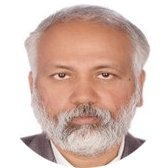
Prof. Sandeep Kumar
IIT (BHU) Varanasi, India
Prof. Sandeep Kumar is a Professor, Department of Mechanical Engineering, IIT (BHU), Varanasi. He graduated from MNREC, Allahabad and completed post-graduation from BHU, Varanasi. His field of interest is Computational Mechanics. After completing a Ph.D. from IIT Delhi in the field of composite plates and shells, he has worked in various fields of research such as meshless methods, chaos theory, and wavelets, etc. Before joining IIT (BHU), he worked in REC Kurukshetra, BITS Pilani and AIMST, Malaysia. He has completed several research projects for DST and BARC. He has numerous publications in international journals of repute. He has authored a popular book, “Mathematical Theory of Subdivisions – Finite Elements and Wavelet Methods”, which is published by CRC Press.
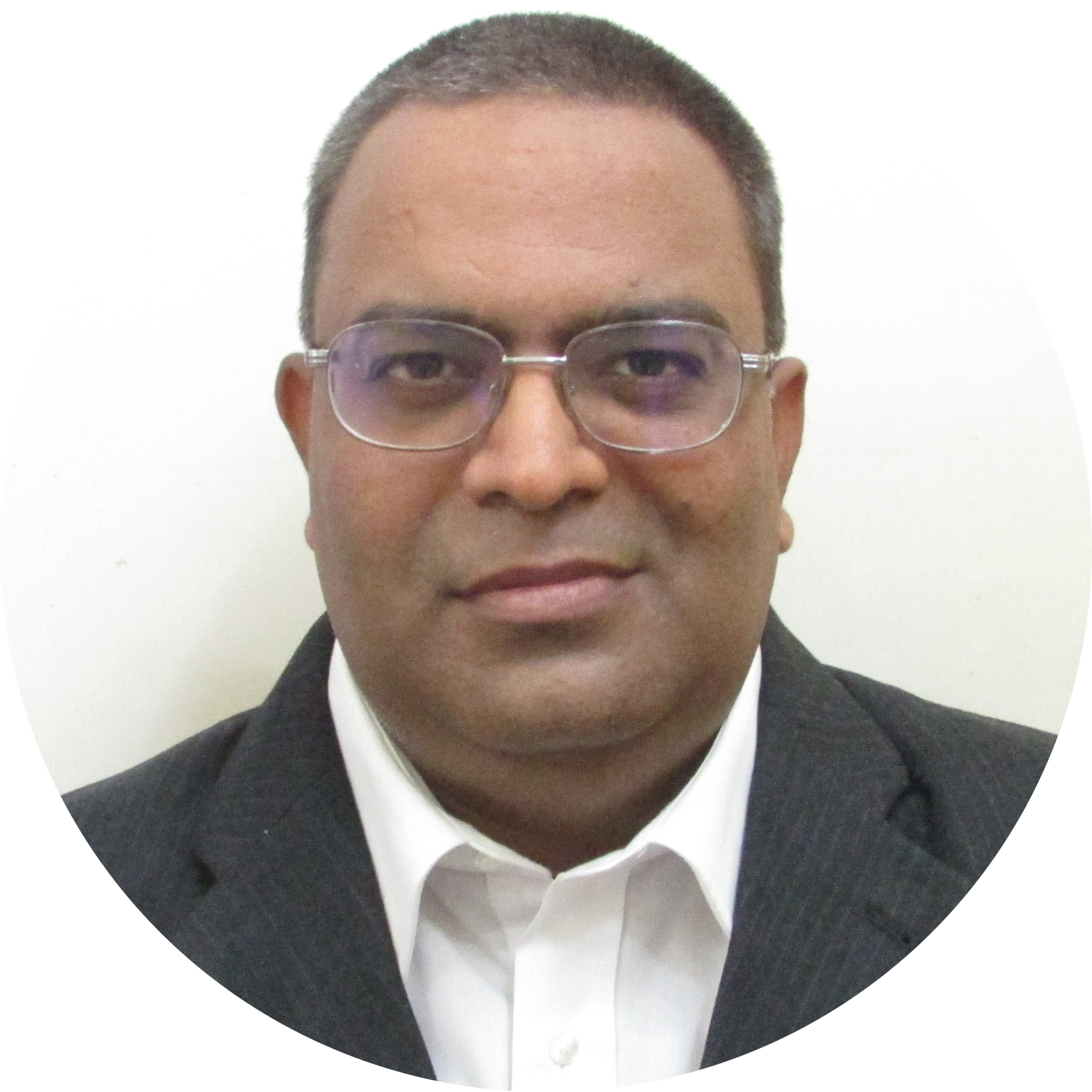
Prof. Ramagopal Uppaluri
IIT Guwahati, India
Prof. Ramagopal Uppaluri obtained B.Tech. (Chemical Engineering) from Andhra University, Visakhapatnam, M.Tech. (Chemical Engineering) from IIT Kanpur and Ph.D. (Process Integration) from the University of Manchester, England. After a brief post-doctoral research at Robert Gordon University, Scotland, he joined IIT Guwahati and became the youngest Professor of IIT Guwahati in a very short span of time. Apart from his contributions to the Chemical Engineering Department at IIT Guwahati, he is affiliated with the Centre for Indian Knowledge Systems, School of Agro and Rural Technology, Centre for the Environment, and Centre for Sustainable Water. He was instrumental in launching the first International Joint M.Tech. degree in Food Science and Technology between IIT Guwahati, India and Gifu University, Japan. Till date, under his guidance, 28 PhD students received their highest academic degree in the research sub-theme of food science and technology, ceramic membrane technology, evolutionary engineering optimization, wastewater treatment, noble metal recovery from waste streams, polymer natural fibre composites, solid waste management, machine learning applications etc.,
He has published 162 international journal publications and has filed five Indian patents in the fields of surfactant enhanced oil recovery and palladium composite membranes. Presently, he supervises 13 Ph.D. students in diverse fields of food processing, waste to value products, machine learning applications and indian knowledge systems. As the first Professor-in-Charge of the Green Office, Prof. Uppaluri also served as an administrator at IIT Guwahati and attempted to establish green policies at the IIT Guwahati campus. He is reputed at IIT Guwahati for two new courses, namely Refinery Process Design and Research Methodologies. He also served in other administrative positions at IIT Guwahati, including Professor-in-Charge Green Office, Chairman Technical Board, Vice-Chairman GATE-JAM and Member, Students’ Disciplinary Committee. For about a decade, Prof. Uppaluri served in various capacities to assist and promote the activities of the Bhaktivedanta Institute, Kolkata. He received training and guidance from Dr. T. D. Singh (Founding Director of Bhaktivedanta Institute) to imbibe holistic aptitude towards the synthesis of science, philosophy and spirituality. He served the organization of the AISSQ conference series in several capacities. Presently, he is serving as the Honorary Director of the Distance Education wing of the Bhaktivedanta Institute, Kolkata and in this capacity, he is trying to encourage contact sessions and workshops for a short-term course on science and spirituality.
Dr. Jaynarayan T. Tudu
IIT Tirupati, India
Dr. Jaynarayan Tudu is currently working as an Assistant Professor at IIT Tirupati in the Department of Computer Science and Engineering. He primarily contributes in the area of AI Hardware Design and Reliability. He has been working on the synthesis of science and spirituality in collaboration with the Bhaktivedanta Institute for quite some time. In this area, he contributes as a researcher, as an organiser of conferences, editor of publications, and as a speaker. He received an MS and a PhD from the Indian Institute of Science, Bangalore, in 2011 and 2016, respectively.
Dr. Dheeraj K. Dube
IIT Mandi, India
Dr. Dheeraj Dube Prakashchand is a faculty member in the School of Mechanical and Materials Engineering at Indian Institute of Technology Mandi. His research lies at the intersection of materials science, mechanics, and molecular-scale modeling, with a strong emphasis on understanding material behavior using computational tools such as molecular dynamics simulations and density functional theory (DFT). His work spans both engineered materials and biomaterials, including biological and bio-inspired systems, where multiscale structure–property relationships play a critical role. In addition to fundamental research, he is actively involved in product design and translational engineering activities within the materials engineering domain, bridging scientific insight with practical application.
Dr. Prakashchand received his Ph.D. from the Tata Institute of Fundamental Research, where his doctoral work focused on advanced theoretical and computational approaches to complex physical systems. He subsequently carried out postdoctoral research at the University of California, San Diego and at Georgia State University, gaining extensive international research experience across disciplines spanning materials physics, biological systems, and computational modeling. His broader interests include interdisciplinary research that connects mechanics, materials, and biology, as well as the development of scientifically grounded frameworks for emerging engineering and technological challenges.
Dr. Sai Phani Kumar Vangala
IISER Bhopal, India
Dr. Sai Phani Kumar Vangala is an Assistant Professor in the Department of Chemical Engineering at Indian Institute of Science Education and Research Bhopal, where he works in the areas of computational catalysis, materials science, and sustainable energy. He completed his PhD in Chemical Engineering from Indian Institute of Technology Kharagpur in 2020, focusing on the computational design of catalysts using density functional theory. Following his PhD, he pursued postdoctoral research at leading international institutions, including Northwestern University and McGill University, where he worked on polymer recyclability and electrocatalysis for energy conversion. He joined IISER Bhopal as a faculty member in 2024, contributing to both teaching and research in advanced chemical engineering.
His research focuses on the computational design of novel materials and catalysts for applications in energy storage, electrochemical conversion, and sustainable technologies. He integrates approaches such as machine learning, thermodynamics, and multiscale simulations to understand and optimize catalytic processes and advanced materials. Dr. Vangala has published research in reputed journals on topics like lithium-ion storage, electrocatalysis, and polymer systems, and actively contributes to interdisciplinary efforts in clean energy and materials innovation. His work aims to address global challenges in energy efficiency and sustainability through data-driven and theoretical approaches.

Dr. Manas Chandan Mishra
KIIT University, India
Dr. Manas Chandan Mishra is an Assistant Professor in the School of Civil Engineering at KIIT Deemed to be University, Bhubaneswar. He holds a Ph.D. from IIT Bhubaneswar, specializing in Environmental Geotechnology and Alternative Geomaterials, and an M.Tech from IIT Gandhinagar. His professional background includes significant industry experience managing large-scale urban infrastructure, such as the Bangalore Metro Rail Project and major commercial developments. Currently, his research focuses on sustainable engineering and the environmental lifecycle of materials. Outside of academia, Dr. Mishra is an avid cyclist who travels across India to explore and document the country’s rich cultural heritage. This passion for exploration informs his interdisciplinary approach to engineering, where he bridges technical innovation with historical and philosophical contexts.
Dr. Srikanth Chandragiri
Helmholtz Munich, Germany
Dr. Srikanth Chandragiri is currently affiliated with the Institute for Diabetes and Obesity at Helmholtz Munich (Helmholtz Zentrum München), Germany, a leading center for research in metabolic diseases and systems biology. He previously worked as a postdoctoral researcher at the Max Planck Institute for Biology of Ageing in Cologne, Germany, where he also completed his PhD under the supervision of Prof. Dr. Thomas Langer.
Dr. Chandragiri’s research focuses on the intersection of ageing biology, metabolism, and disease, with the goal of understanding how molecular mechanisms regulate lifespan and healthspan. His work is supported by competitive fellowships, highlighting his strong academic background and contributions to life sciences research.
Dr. Roshan Tiwari
Alumnus, IISER Kolkata, India
Dr. Roshan Tiwari is a physicist driven by a lifelong curiosity about the deep nature of reality and consciousness. He currently works as a Research Scientist at the Bhaktivedanta Institute, Kolkata, where he explores how ideas from quantum physics and information theory may shed light on the mystery of conscious experience. He completed his M.S. and Ph.D. in Physics at the Indian Institute of Science Education and Research (IISER) Kolkata in 2023, after earning his B.Sc. in Physics from Banaras Hindu University (BHU), Varanasi, in 2014. During his doctoral studies, he worked across a wide range of topics from spectroscopy and bio-inspired waveguides to microscopy, sensing, and optical trapping, publishing his work in leading international journals.
Beyond technical research, Dr. Tiwari is deeply interested in the philosophical and foundational questions: What is the role of information, observation, and agency in nature? How might the quantum description of the world connect with first-person conscious experience? At the Bhaktivedanta Institute, he is developing theoretical frameworks that bring together modern physics and insights from the Indian contemplative tradition.
Shri Sushant Sharma
Alumnus, IIT Guwahati, India
Mr. Sushant Sharma is a B.Tech graduate in Computer Science and Engineering from IIT Guwahati. He has a rich experience of over 15 years as an IT Professional, working with well-known organizations such as CATS-pvt Ltd, TCS, Techmahindra and Roamware. After his meeting with Dr. T. D. Singh, the Founder Director of Bhaktivedanta Institute, in 2000, he developed a keen interest in the domain of the synthesis of science and spirituality. Under the mentorship of Dr. Singh and his students, Sushant has been exploring the studies at the interface of foundations of computer science, mathematics and consciousness, and consequently has been delivering many talks in various conferences, seminars, and workshops organized by Bhaktivedanta Institute. His study interests include foundations of set theory and computer science, Gödel’s incompleteness theorems and Vedanta. Currently, he is serving as Director of Cognitive Studies and Performing arts of Bhaktivedanta Institute.
Shri Prabhakar Ballapalle
Western Digital, Bangalore, India
Shri Prabhakar Ballapalle is presently a Lead Engineer at Randstad working for WESTERN DIGITAL one of the World’s leading storage company. He has been working in the field of flash storage controllers for the past 7 years. Before taking up this role, he worked with many world class companies like: SEAGATE, AVAGO, LSI, AGERE etc. Also before joining the private sector, he worked as a scientist at Central Research Laboratory and contributed to many prestigious indigenous projects for defense like development of thermal imager, remote surveillance system and radar video transmission system. He received his MTech in signal processing from IIT-Kanpur in 2000. He has more than 10 publications and three patents to his credit. His research interests include pattern recognition, artificial intelligence, speech processing, audio processing, video processing, flash storage.
He is very actively involved in promoting the discussions on science & spirituality among the student’s community and learned circles. He is also an associate editor of Bhaktivedanta Institute’s esteemed journal “Savijnanam” and magazine “Tattva-Jijnasa”. He is currently acting as Director of Bhaktivedanta Institute, Bangalore. His areas of interest in the field of Science and Spirituality include Science of Bhagavad-Gita, bio-feedback and meditation, effect of prayers on mind and body, japa meditation and personality development etc.
Shri Vasudeva Rao
Alumnus, IIT Kanpur, India
Shri Vasudeva Rao (also known as His Holiness Bhaktisvarupa Vrajapati Swami) obtained his M.Tech. (Computer Science, 1998) from IIT Kanpur, India. After a brief tenure of working as a software professional, he decided to significantly contribute himself to the science spirituality interface under the able leadership and vision of Dr. T. D. Singh, the Founder Director of the Bhaktivedanta Institute. Presently, His Holiness is the President of Bhaktivedanta Institute and actively promotes discussion on science and spirituality. He is also the Editor of Bhaktivedanta Institute’s reputed annual journal, Savijnanam – Scientific Exploration for a Spiritual Paradigm and travels widely across India and abroad.
His deep interest in the foundations of mathematics, fundamentals of computer science and logic and its relation to nature of reality as well as ancient Indian texts led him to interact and meet renowned scholars at Harvard, Princeton, ETH, Stanford, and MIT. He has delivered several talks on topics at the interface of science and spirituality.
Shri Varun Agarwal
Alumnus, IIT Kanpur, India
Shri Varun Agarwal (also known as His Holiness Bhaktisvarupa Vrajendrakumar Swami) graduated from the prestigious Indian Institute of Technology Kanpur (IIT Kanpur), India obtaining his B.Tech in Aerospace Engineering (1999). He worked on a project of solar-powered aircraft and was ranked first in his entire department. However, his longing for something deeper about life which always bothered him finally culminated in meeting the illustrious scientist-saint Dr. T. D. Singh (His Holiness Bhaktisvarupa Damodara Swami), the Founder Director of the Bhaktivedanta Institute. Under his guidance, he began studying ancient Vedantic wisdom, dedicating himself completely for the cause of helping humanity through the interface of scientific temper and spiritual wisdom.
He is currently serving as the Director of the Bhaktivedanta Institute, Kolkata, India. Besides his various involvements, he frequently travels across India & abroad and interacts with scientists and scholars all over the world including world-renowned universities of Harvard, Princeton, ETH and Stanford to MIT. He is also the Editor of Bhaktivedanta Institute’s reputed science and spirituality journal, Savijnanam.