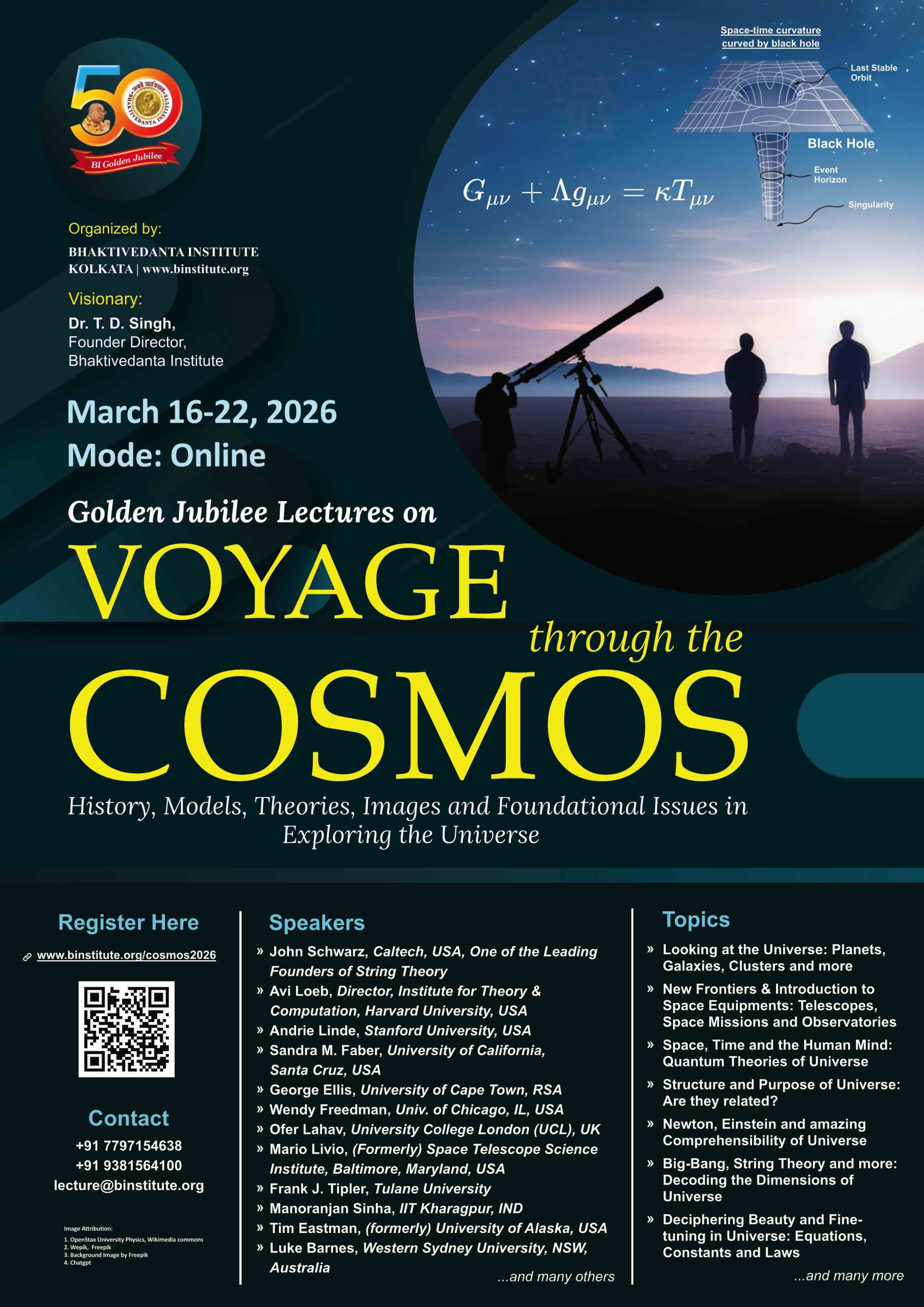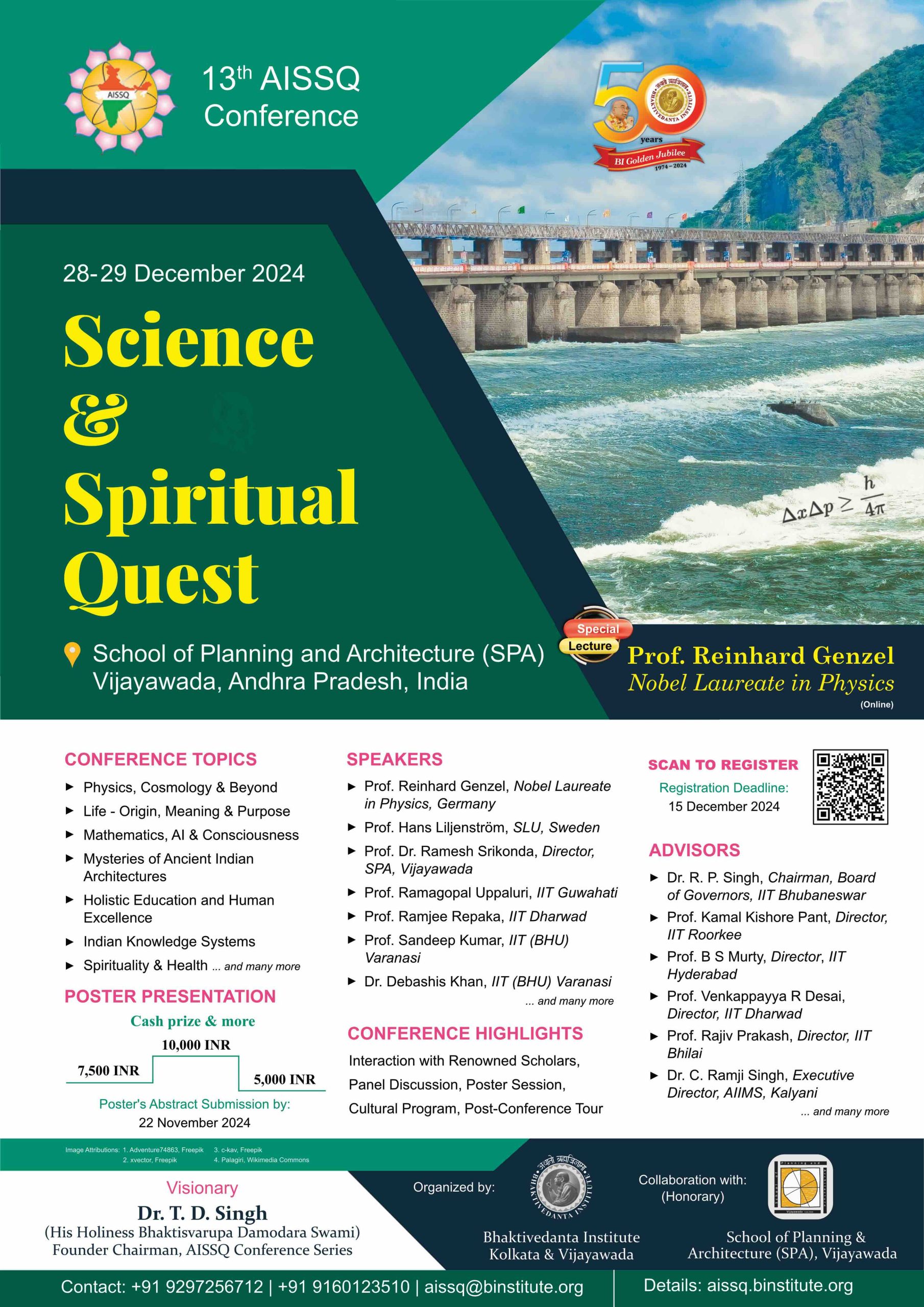
Golden Jubilee Lectures on
Voyage through the
Cosmos
Exploring the History, Models, Theories, Latest Images and Foundational Issues in Understanding the Universe
Mode
Online
Dates
March 16-22, 2026
Bhaktivedanta Institute, Kolkata

Stanford University, USA

Caltech, USA

University of Alaska, USA

Space Telescope Science Institute, USA

University of Chicago, USA

University College London, UK

York University, Canada

Tulane University, USA

IIT Kharagpur, India

US Naval Postgraduate School, California

Harvard University, USA

Western Sydney University, Australia

University of Cape Town, South Africa

University of California, USA

Princeton University, USA
Oklahoma State University, USA
Jain University, India

Prof. K.V. Sarma Research Foundation, India

International Center for Space & Cosmology, India

Indian Institute of Astrophysics, India

ISRO Telemetry Tracking & Command Network, India

TIFR Mumbai, India
About Cosmology Lectures
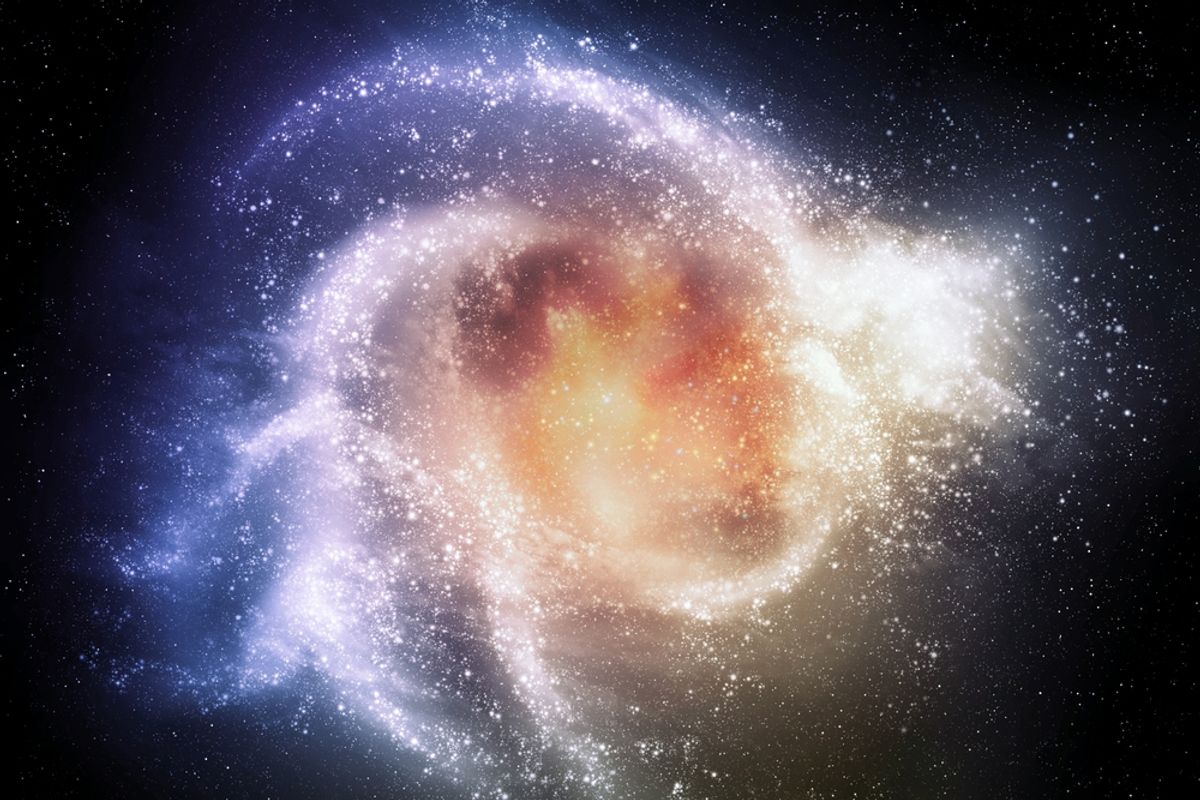
Universe is marvellous. Just look at the sky – planets, stars, galaxies, clusters, asteroids, comets, solar system, and it fills you with tremendous amazement. The amazing pictures and new data which we regularly gather about our cosmos, thanks to latest space telescopes and observatories, we are thrilled and astonished about our wonderful universe every day. Modern observational and theoretical advances—from precision measurements of the cosmic microwave background to the mapping of large-scale structures—have provided unprecedented insights into the universe’s formation and dynamics. In the last century, we have made remarkable
Topics
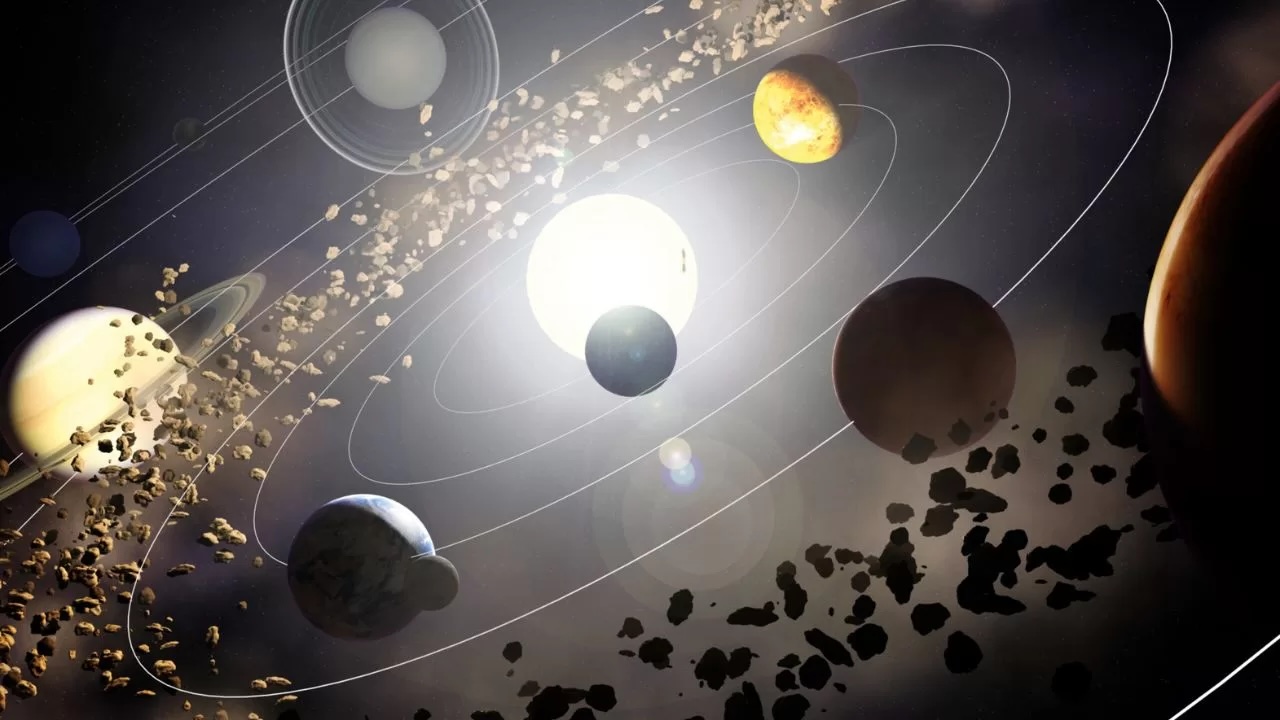
Looking at the Universe: Planets, Galaxies, Clusters and more
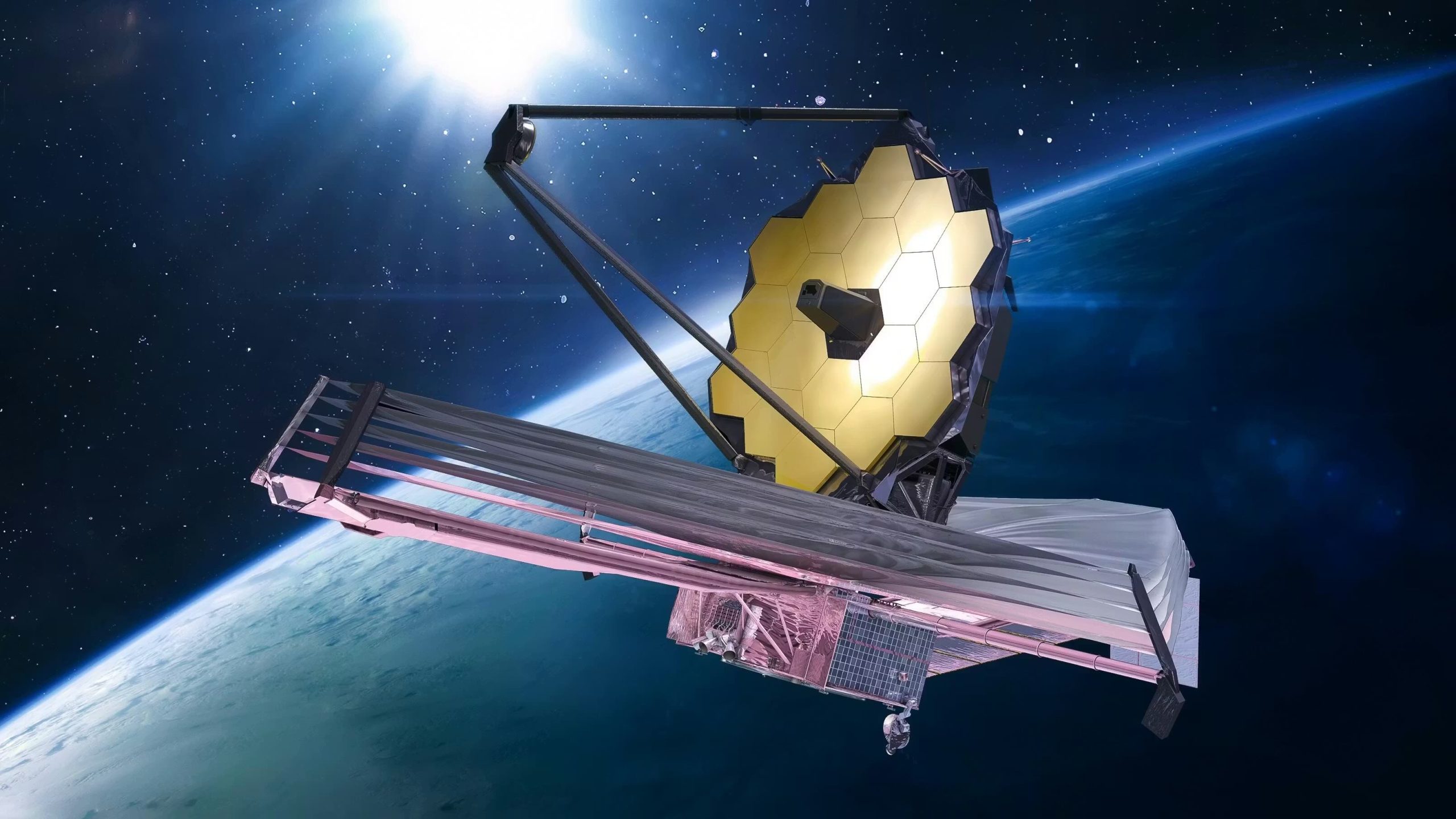
New Frontiers & Introduction to Space Equipments: Telescopes, Space Missions and Observatories
Space, Time and the Human Mind: Quantum Theories of Universe
Structure and Purpose of Universe: Are they related?
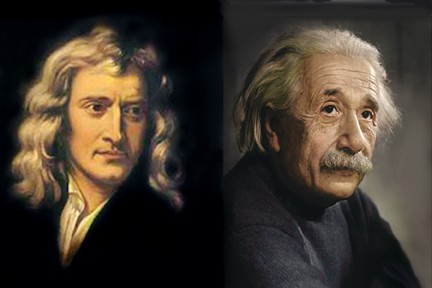
Newton, Einstein and amazing Comprehens--ibility of Universe
Big-Bang, String Theory and more: Decoding the Dimensions of Universe
Deciphering Beauty and Fine-tuning in Universe: Equations, Constants and Laws
Are we Alone? Search for Life in our universe
Young Universe: Revisiting the Early Universe theories
Invisible Universe: Dark Matter, Dark Energy and more
Introducing the Cosmos: Quest to Understand the Universe since antiquity
Vast Universe and Humility: Limits of understanding the Universe
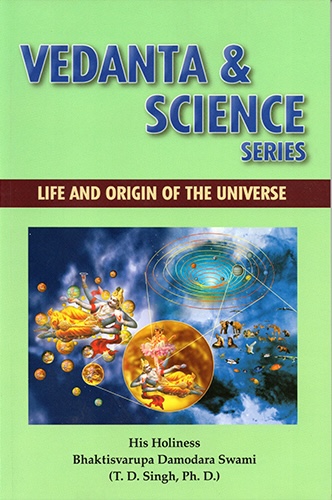
Guide to the Universe: Perspectives from Scientific and Traditional Knowledge
Universe in the light of Indian Knowledge Systems
Cosmology and Purpose: Science and Spirituality in Search of Meaning & Purpose of universe
Universe, Multiverse and more: Science and Spirituality in Search of God
History of Cosmology: Our Evolving Conceptions of Universe
Latest Visual Tours of Cosmos: New Images and New Data Gathered of the Universe
Universe, Mind and God: Exploring the Deepest Secrets of Universe
… if we see the structure of the universe as having really remarkable characteristics, it seems to suggest that there is a purpose…. if we understand the structure and how it works very well, then that may give us some hints as to the purpose of the universe. If we understand the purpose, then that should probably say how it is structured.
Charles Townes
Nobel Laureate in Physics
Speakers
The lecture series will host over sixteen distinguished scholars who stand at the fulcrum of cosmological developments. These individuals— John Schwarz, Manoranjan Sinha, Andrei Linde, Tim Eastman, Mario Livio, Wendy Freedman, Ofer Lahav, Louis Marmet, Frank J. Tipler, David Dilworth, Avi Loeb, Luke Barnes, George Ellis, Sandra M. Faber, Paul J. Steinhardt, Subhash Kak and others —represent a cross-section of the scientific enterprise. They include the architects of the dominant paradigms, such as Inflation and Cold Dark Matter; the engineers mastering the dynamics of spaceflight; the observers measuring the expansion rate of the universe with unprecedented precision; and the alternative paradigm presenters who alternative parallel theories of universe and some even ancient traditional insights. Their work spans the microscopic to the macroscopic: from the vibrations of subatomic strings to the rotation of galaxies, and from the firing of spacecraft thrusters to the ultimate thermodynamic fate of the universe. By examining their contributions, methodologies, and philosophical stances, we gain a comprehensive map of the current state of our universe knowledge.
featured video
... the universe begins to look more like a great thought than a great machine.
Sir James Jeans
Renowned Physicist & Astronomer
Previously Published Cosmology Articles
Research Article
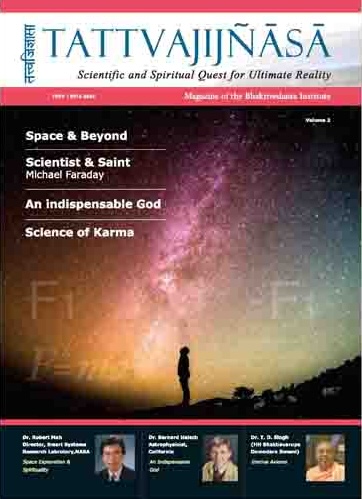
Space Exploration and Spirituality
Prof. Robert Mah
NASA Ames Research Center, USA
Published In:
Tattvajijnasa Vol. 2, Magazine, Bhaktivedanta Institute
Research Article
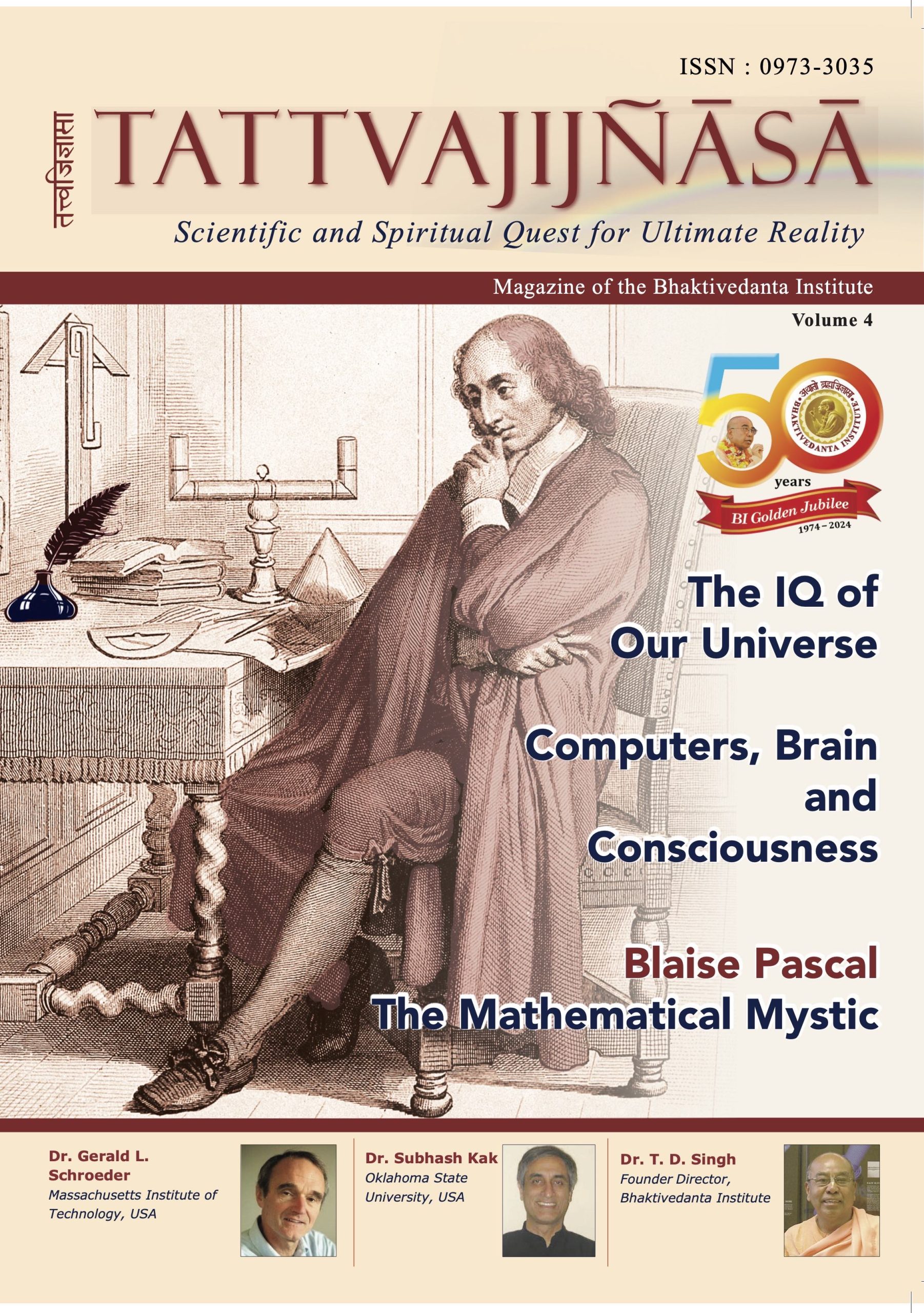
The IQ of Our Universe
Prof. Gerald L. Schroeder
Massachusetts Institute of Technology, USA
Published In:
Tattvajijnasa Vol. 4, Magazine, Bhaktivedanta Institute
Research Article
An Expedition into the Secrets of the Universe
Prof. Freeman J. Dyson
Templeton Prize Laureate, USA

Published In:
Tattvajijnasa Vol. 4, Magazine, Bhaktivedanta Institute
Research Article
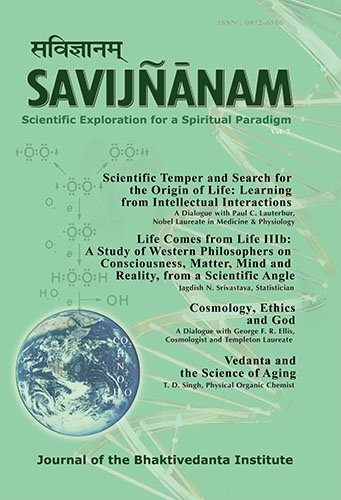
Cosmology, Ethics and God
Prof. George F. R. Ellis
Templeton Prize Laureate, SA
Published In:
Savijnanam Vol. 7, Journal, Bhaktivedanta Institute
Research Article
An Indispensable God
Dr. Bernard Haisch
Astrophysicist, UC Berkeley, USA

Published In:
Tattvajijnasa Vol. 2, Magazine, Bhaktivedanta Institute
Related publications
related events
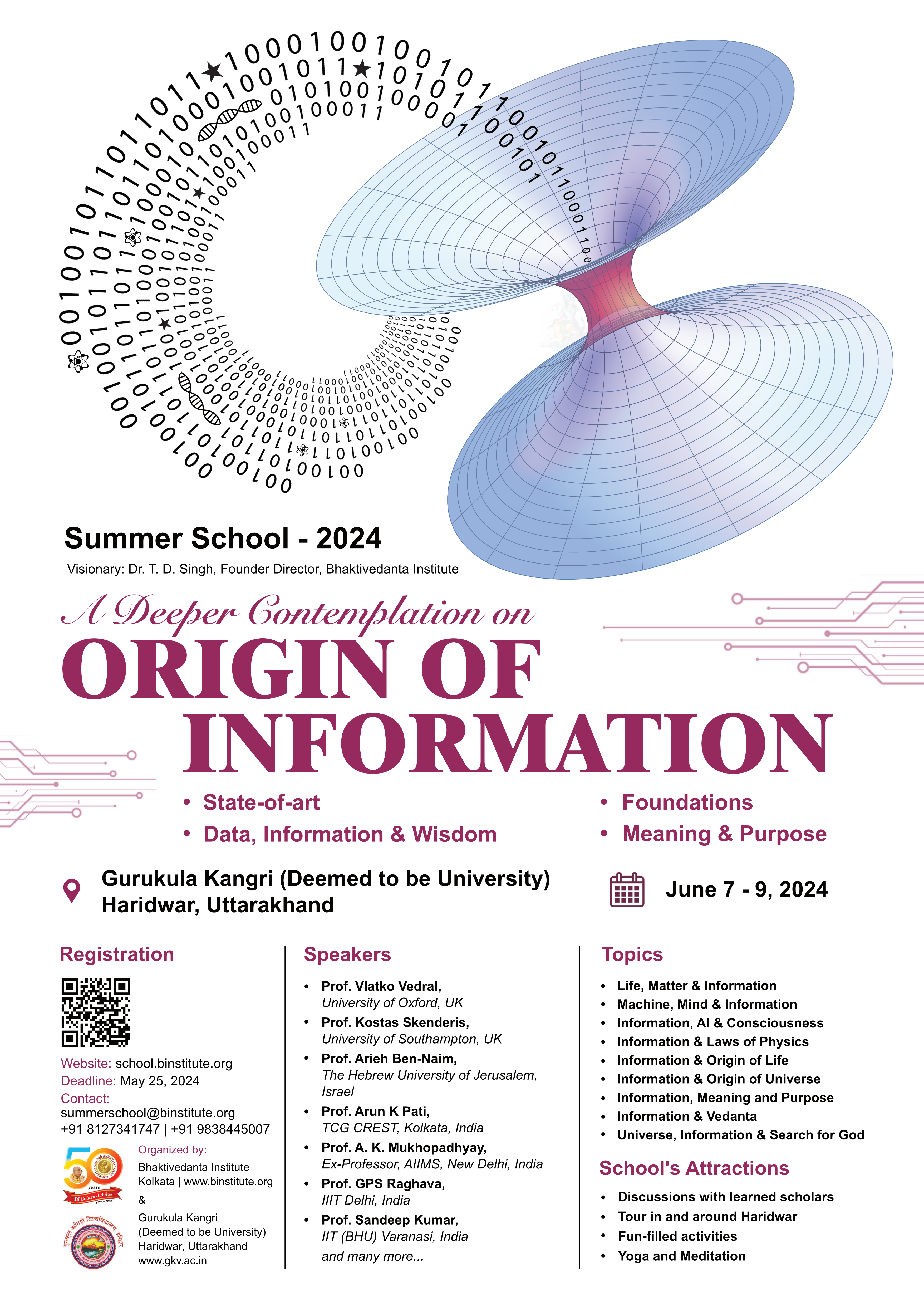
9th Summer School
June 7-9, 2024
Gurukula Kangri, Haridwar
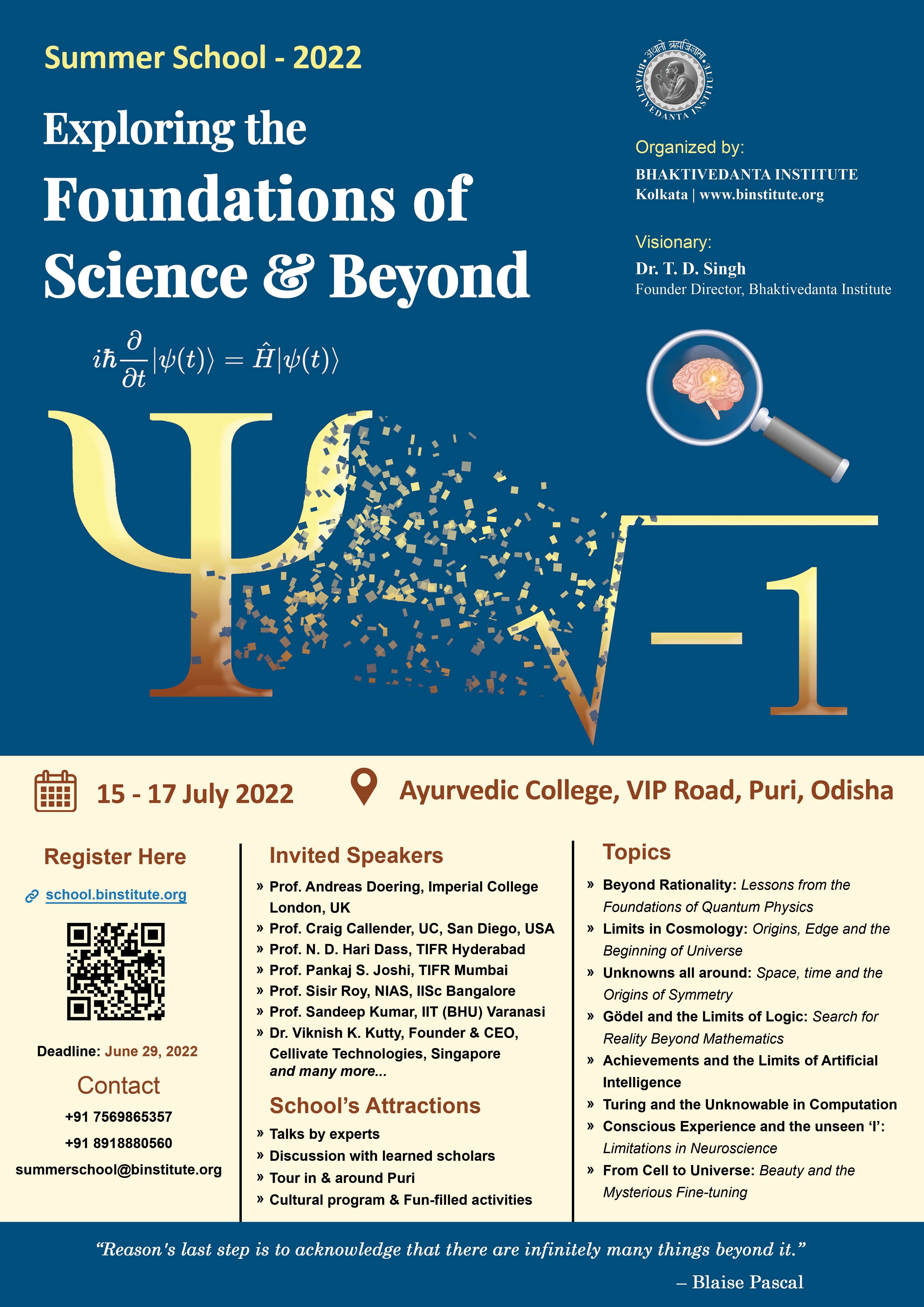
7th Summer School
July 15-17, 2022
Ayurvedic College, Puri